
Master Plumbers July FAQ: Do you know the answers?
Master Plumbers July FAQ: Do you know the answers?
Q1. How much overhang do roof tiles need to have into an eves gutter?
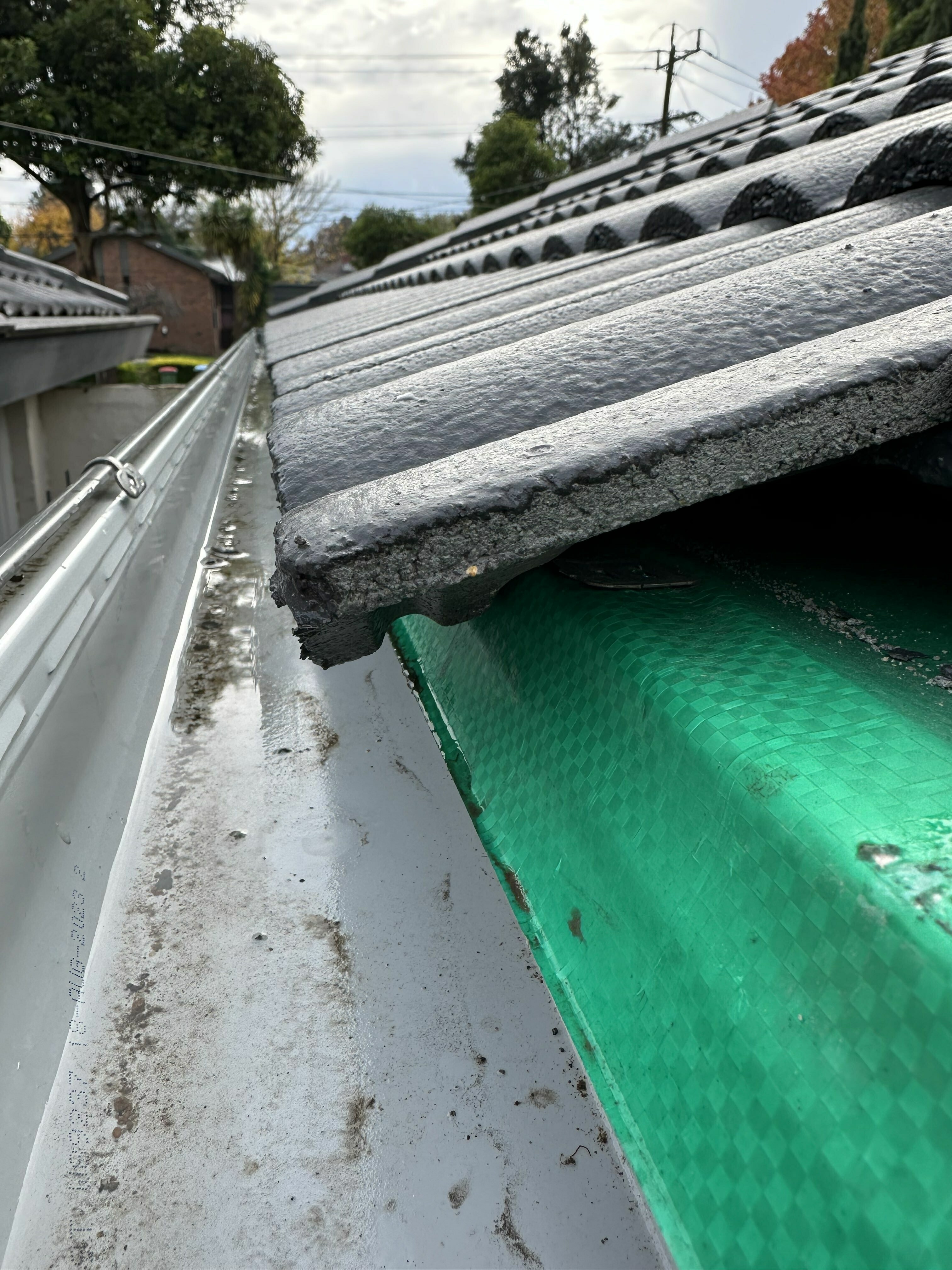
A: Even though roof tiling isn’t plumbing work, this information has been sought a few times recently, when plumbers were performing gutter replacements. The installing practitioners were concerned that they did not have enough overhang for the water to adequately drain into the gutter. The ABCB Housing Provisions (clause 7.3.6) stipulates that roof tiles only need to overhang the facia by not less than 35mm. Whilst the tile overhang doesn’t fall under the plumbing scope, if the overhang is less than this, you should notify the client to have it rectified to ensure NCC compliance is achieved (Figure 4)
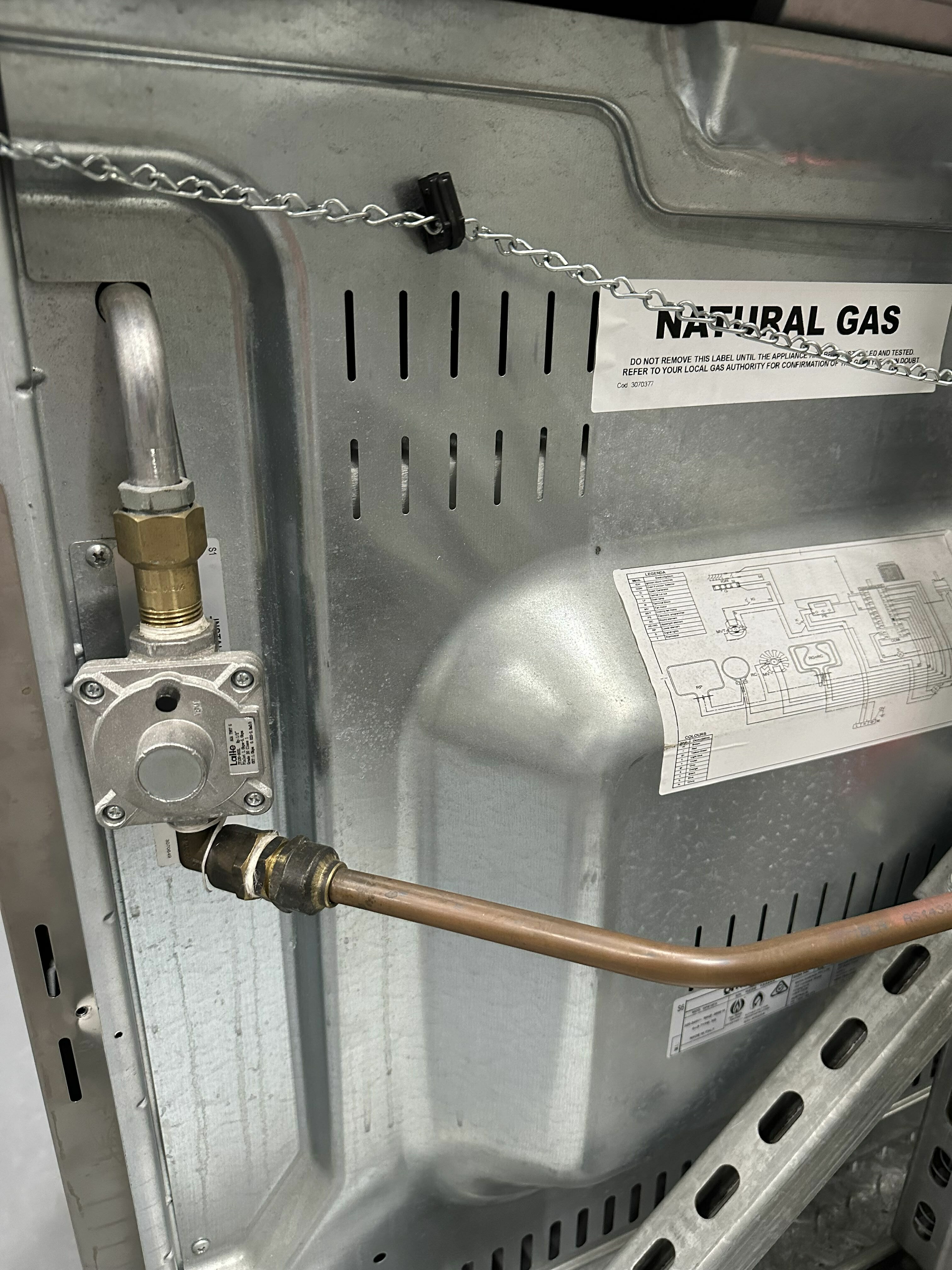
Q2. Something that has been regularly sought is the location of gas regulators for cooktops, more specifically, can a cook top regulator be installed behind an oven?
A: In the Gas Standard 5601.1:2022 (Clause 6.6.5(c)) states that, “Where the gas pressure regulator for an appliance is supplied as a separate component, it shall be installed as close as practicable to the appliance and accessible for servicing and adjustment”.
It’s important to highlight that it states accessible, not readily accessible, these are defined in the standard as;
- “Accessible,
Access can be gained without hazard or undue difficulty for inspection, repair, testing, renewal, or operational purposes”
- “Readily accessible,
Access can be gained without hazard, undue difficulty, or use of a tool”
So, if you can remove the screws from the front of the oven and slide it out to gain access technically it is accessible. Although, is it without hazard or undue difficulty, this is the debate.
Having said that, we have previously discussed this topic with ESV, and they have said it would only be accepted in a installation, if there was physically nowhere else to have the regulator installed. (Figure 2)
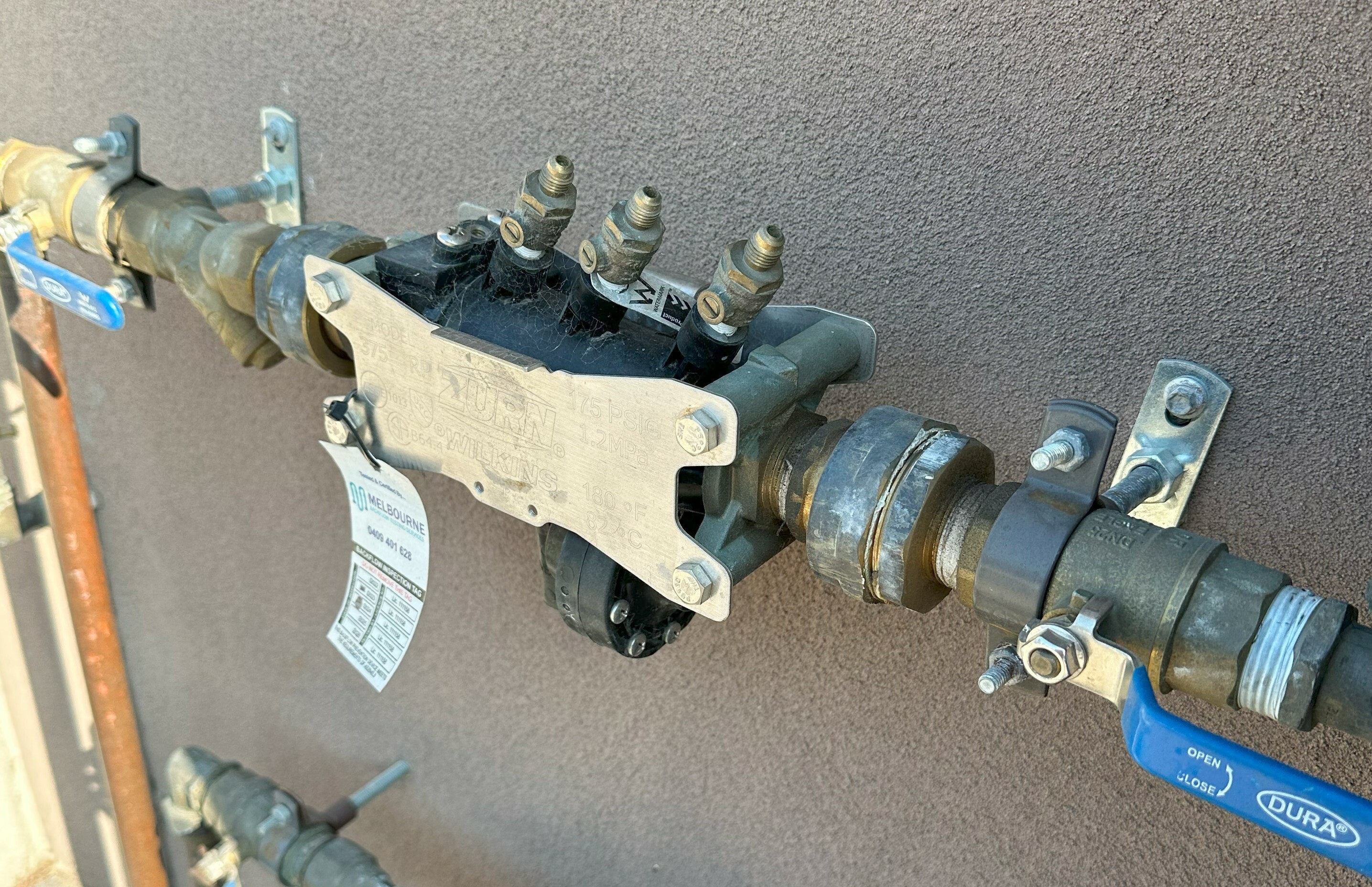
Q3. Last but not least, a question that is sought quite often is, what are the required clearances around an RPZD?
A: The only set clearance in AS/NZS 3500.1 is to “have the relief drain outlet located not less than 300mm above the finished surface level”. With that being said, there are two other factors that should always be considered;
Firstly, some manufacturers specify different/additional clearances, so you should always consult the manufacturers installation instruction for your specific valve.
Secondly, you should always ensure there is adequate clearance for servicing, maintenance and replacement. (Picture labelled backflow)
Please note: The information above is based on the Australian standards. Please check with your local regulator and authorities for variations.